

Finally, Specialized Recovery for Panic Attacks
A structured, evidence-based program to help you overcome panic attacks at your own pace


Are you a therapist?
Access the provider portal →
How to get through a panic attack
A panic attack is your body's alarm going off when there is no danger. It feels terrifying, but it is not harmful. It usually peaks within about 10 minutes and passes on its own.
-
Name it
Tell yourself: this is a panic attack. It is uncomfortable, but it is not dangerous, and it will pass.
-
Breathe low and slow
Breathe gently from your belly and make each breath out a little longer than the breath in. You don't have to get it perfect.
-
Let the feelings be there
Fighting the sensations tells your brain they are dangerous. Notice them, describe them to yourself, and let them rise and fall.
-
Stay if you can
If you are safe where you are, try to stay until the wave passes. Leaving teaches your brain that the place was the problem.
Stopping panic attacks for good
These steps get you through one attack. Stopping attacks from coming back means teaching your brain that the sensations themselves are safe. That is what cognitive behavioral therapy (CBT) with interoceptive exposure does, and Bia guides you through it step by step in short daily sessions.
Start the panic recovery programIf this is your first attack, your symptoms feel different from usual, or you have chest pain, get medical help right away. Crisis and emergency resources
“Bia changed my life. It gives you small steps to take every day and tracks your progress. I'm not done, but I already feel so much better and am doing so much more.”
“This app has helped me so much. Thank you!”
“In short, this site is brilliant. The best help you will ever get apart from an in-person specialist, bar none.”
“I feel extremely optimistic using this app and have already changed the way I think and feel more confident in stressful situations as I know what to do . It's also great that your mental health professionals can connect to your account and also have tools provided to them to help them help us.”
“It starts with theory foundations and basic exposures and works you up an exposure hierarchy, helping you acclimate and build confidence.”
“I love how the exposures are slow and very incremental. It's felt like what I imagine exposure therapy with a therapist would be like! The check ins are helpful and they really help me keep an eye on my anxiety levels while working on the exposures. I also appreciate the reminders to slow down! I'm only on chapter 3 but I'm feeling very optimistic”
Real results with Bia
Measured with the APA Severity Measure for Specific Phobia across thousands of Bia users. See the data
Panic disorder is often described as the fear of fear itself. After one or more panic attacks (racing heart, dizziness, derealization, the sense you might die or go crazy) it is very easy to fall into a cycle of anxiety and fear. We begin to scan for signs of panic, which means we notice them more often, which causes distress so we scan more - and the cycle escalates. Bia is designed to help us break this cycle of fear, by reversing it in small, incremental steps. Bia provides lessons explaining the science behind this fear and helps you practice evidence-proven skills in short daily exercises.
Common signs of panic
- Racing heart or palpitations
- Dizziness, derealization, or depersonalization
- Shortness of breath or chest tightness
- Fear of dying, going crazy, or losing control
- Anticipatory anxiety between attacks
- Avoidance of places where attacks have happened or could be inescapable
Not sure how much panic affects you? Take the free 2-minute panic quiz →
Our clinical approach: interoceptive exposure
Two paths to recovery from Panic

Self-Guided
Recovery at your own pace, anytime
- Step-by-step guided recovery for Panic
- Evidence-based lessons & exercises
- Practice anytime on web, iOS & Android
- Track your anxiety and progress over time
- Adults & children versions
+
With a Therapist
Get matched with a therapist, or invite your own
- Everything in Self-Guided, plus:
- 1-on-1 therapy sessions with a licensed therapist
- We'll check your insurance coverage for you
- Link your Bia account to share your progress
- Your therapist may cover the cost of Bia
Everything you need to overcome Panic
Self-Guided Recovery
Your complete program for Panic
- Step-by-step exposure program for Panic
- Evidence-based lessons & exercises
- Practice anytime on web, iOS & Android
- Track your anxiety and progress over time
- Adults & children versions
Already working with a therapist?
Bia works perfectly alongside your existing therapy. Use it between sessions to practise exposures and reinforce what you're learning.
Start your programAre you a therapist?
Assign Bia exercises to your patients, track their progress between sessions, and supplement your practice with our provider portal.
Access provider portal →A program designed for you
For Individuals with Panic
A personalized, self-paced program to help you reclaim the life you deserve. Work through structured lessons, exercises, and activities at your own pace.
Start your programFor Parents Supporting a Teen
Bia for Teens gives your teen the standard program with mature content hidden, while you keep the parent PIN and can follow their progress.
Learn about Bia for teensFor Parents Supporting a Child
Bia's kids program uses age-appropriate exercises and engaging characters to help children face fears with parent lessons and support at every step.
Learn about Bia for kidsFor Clinicians Using Bia With Patients
Assign exposure, track patient progress, and access curated hierarchies for your clients through the provider portal.
View provider portalPartners and Conferences
Bia is built in collaboration with leading academic researchers and found at national clinical conferences.


 ADAA 2026 Symposium Presentation
 NASP 2026 Miniskills Presentation

This photo was my first time ever on a boat, something I had avoided for over 27 years. I loved it.
I Believe You Can Recover
Hello, my name is Willy, founder of Bia. I had my first panic attack in high school, during a school assembly, and I struggled with panic for years. At the root of my panic was emetophobia, but I didn't know it or understand it. During my recovery I built Bia. I'm happy to share that I have recovered from both, I no longer have panic attacks, and I believe you can recover too.
Panic disorder is challenging, but you are not alone. Bia provides step-by-step interactive lessons and exercises to break the avoidance cycle and replace it with a cycle of progress and recovery.
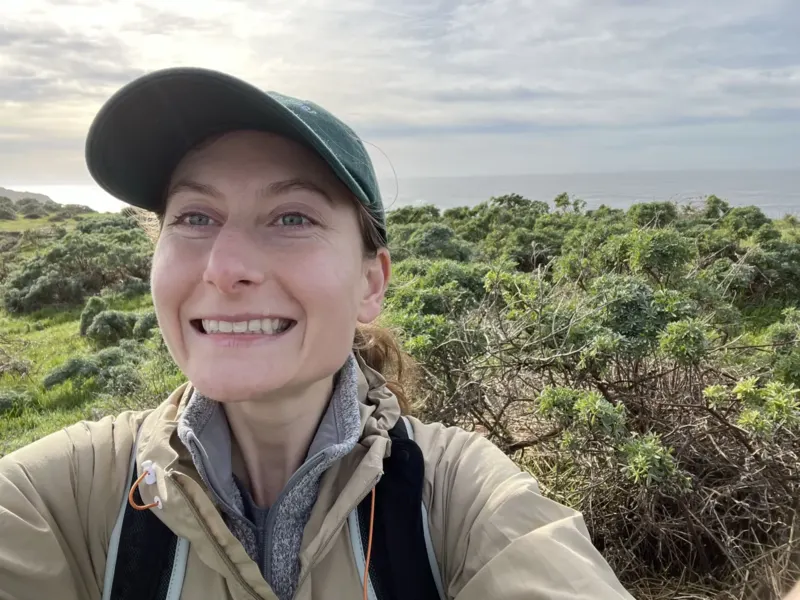
Enjoying my first trip to Hawaii, a place I always wanted to go but never thought I'd be able to get to.
From Bia User to Co-Founder
My name is Elizabeth, and I am Co-Founder of Bia. I came across an early version of Bia while working through my own phobia recovery and became one of its first users. I was already seeing a therapist, but once I added daily guided-exposure practice with Bia the impact on my recovery was immediate. I've since partnered with Willy to leverage my health-care background to build and expand Bia, and it's been incredibly meaningful to see the tool help others just as it helped me.
Frequently asked questions about panic
What should I do during a panic attack?
Remind yourself that it is a panic attack and that it will pass, breathe low and slow with a longer breath out, and let the sensations rise and fall without fighting them. Attacks usually peak within about 10 minutes. These skills help in the moment, and Bia's program works on the bigger goal: fewer attacks, and less fear of the next one.
How do I know it's a panic attack and not my heart?
Panic attacks can feel exactly like a medical emergency, which is part of what makes them so frightening. If you have never had your symptoms checked by a doctor, please do that first. If your symptoms are new, different, or you are unsure, call emergency services. Once medical causes have been ruled out, Bia helps you learn to respond to those sensations without fear.
Can panic attacks be stopped for good?
For many people, yes. Cognitive behavioral therapy (CBT) with exposure is the most researched treatment for panic disorder, and most people who complete it see a large drop in attacks and in the fear of having one. Bia guides you through that same approach in short daily sessions, at your own pace.
Can I use Bia if I take medication for panic?
Yes. Many people use Bia alongside medication. Bia does not replace medical care, so talk to your prescriber before starting, stopping, or changing any medication.
What is interoceptive exposure?
Interoceptive exposure means practicing the body sensations that trigger panic, such as a fast heartbeat or dizziness, in small, controlled steps, for example by running in place or spinning in a chair. Each time, your brain learns those sensations are safe and the alarm gets quieter. Bia builds these exercises into your plan gradually, and you always control the pace.
Is it possible to overcome panic?
Yes. Research shows that panic disorder is one of the most treatable anxiety conditions. You don't have to settle for a life planned around the next attack.
What does it mean to overcome panic?
Imagine a life where the fear of the next attack does not make your decisions. Where you can drive, travel, exercise, and go where you want, and a racing heart is just a racing heart.
Can I use Bia by myself?
Yes. Bia is designed to work as a self-guided tool. It provides a personalized recovery plan, interactive lessons, and step-by-step guided exercises for practicing evidence-based recovery techniques.
Can I use Bia with a therapist?
Yes. Bia works great along side therapy. Your therapist can use our provider portal to personalize your recovery plan, assign custom exercises, and monitor your progress.
We can help you connect with a therapist near you. Get Connected
I am nervous to try it.
We built Bia to lower the barrier to the path of recovery. Bia never tricks, traps, or forces you in any way. The journey is built of small, incremental steps. You control the pace and order of your journey.
How long does it take?
Individual sessions on Bia are short and take 5 to 15 minutes. Bia builds a personalized step-by-step journey based on your unique needs, so completing the full journey is different for everyone. Typically, a journey includes over 55 exercises and 19 lessons across 9 milestones.
How much does it cost?
Bia is free to try. A subscription is required to unlock your full journey. If you are using Bia with a therapist, you may be eligible to receive Bia for free as part of your treatment. Ask your therapist today.
If you have an HSA/FSA plan, you can use it to purchase Bia by first receiving a letter of medical necessity from our partner, Flex. Use HSA/FSA
Ready to start?
Choose your path to recovery
+