

Help Your Child Overcome Social Anxiety
A specialist kids program. Self-guided at home, or with a therapist guiding your child every step of the way.
A structured, evidence-based program to help your child overcome social anxiety. Designed for families to work through together.


Are you a therapist? Access the provider portal →
Social anxiety is the fear of being judged, criticized, or embarrassed in social situations. It shows up as avoidance (declining invitations, hiding in meetings), safety behaviors (over-preparing, rehearsing every sentence, avoiding eye contact), and intense post-event rumination: "what did they think of me?". The clinical fix is graduated social exposure combined with dropping safety behaviors: speaking up without rehearsing, making eye contact during conversations, attending events without an exit plan. Bia structures these as a ladder of social risks, paced by you, with behavioral experiments to test what actually happens when you stop hiding.
Common signs of social anxiety
- Fear of being judged, criticized, or embarrassed
- Blushing, sweating, or trembling in social situations
- Avoidance of speaking up, parties, dating, or new groups
- Over-preparation and rehearsing conversations
- Post-event rumination, replaying conversations for hours
- Fear of looking anxious (the meta-anxiety)
Not sure how much social anxiety affects you? Take the free 2-minute social anxiety quiz →
Our clinical approach: graduated social exposure with behavioral experiments
Two paths to recovery for your child
Is your child a teenager? See Bia for Teens

Self-Guided at Home
Parent-led program your family can do together
- Step-by-step exposure program for Social Anxiety
- Age-appropriate exercises for children
- Dedicated parent lessons at every chapter
- Practice anytime on web, iOS & Android
- Track your child's anxiety and progress
+
With a Specialist Therapist
Expert-guided; we'll check your insurance coverage for free
- Everything in Self-Guided, plus:
- Live video sessions with a child anxiety specialist
- Message your therapist between sessions
- 10 weeks of Bia app access included
- We'll check your insurance coverage for free
Everything your family needs to overcome Social Anxiety
Self-Guided Kids Program
Your complete parent-led program for Social Anxiety
- Step-by-step exposure program for Social Anxiety
- Age-appropriate exercises for children
- Dedicated parent lessons at every chapter
- Practice anytime on web, iOS & Android
- Track your child's anxiety and progress over time
Already working with a therapist?
Bia works perfectly alongside your child's therapy. Use it between sessions to practise exposures and reinforce what they're learning with their therapist.
Start your child's programAre you a therapist?
Assign Bia exercises to your young patients, track their progress between sessions, and supplement your practice with our provider portal.
Access provider portalReal Impact
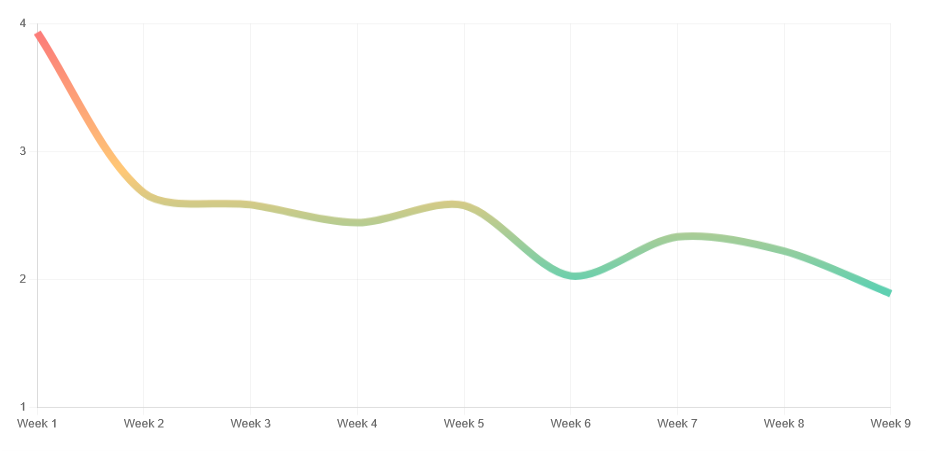
We track symptom severity using standardized phobia measures.
84% of parents report a noticeable decrease in their child's anxiety within the first 2 weeks.
Phobias Affect 1 in 8 Children
Is your child suffering from these signs of anxiety?
They may be dealing with treatable phobia. We are here to help.
Retraining the Brain
Read the science behind recovery
Anxiety is the brain's natural alarm process out of balance. When we avoid a trigger, the brain learns the threat is real, and will trigger more discomfort next time, creating a vicious loop called the avoidance cycle.
Bia uses ERP (Exposure & Response Prevention) to help the brain unlearn fear through small, incremental exercises. Instead of reacting to triggers, build skills with proactive practice.
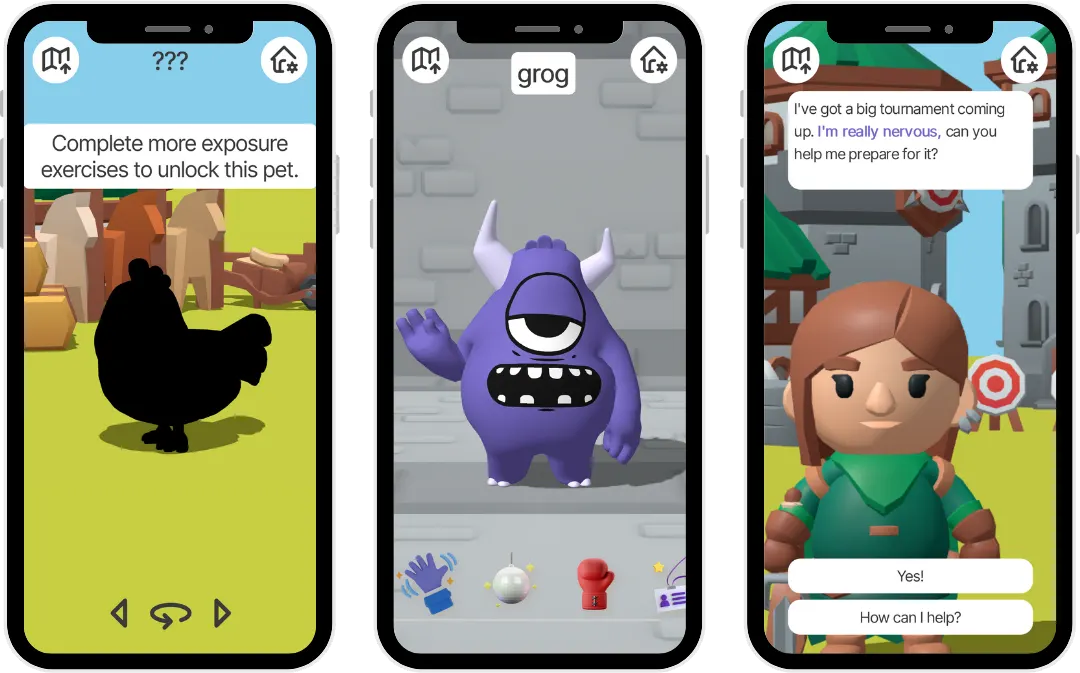
Bia provides pre-built recovery plans made of 80+ interactive activities for you and your child to complete at your own pace.
How it works
Personalize
Start with our pre-built recovery plans and customize to your needs in a few clicks.
Practice
Your child plays story-driven quests that transforms triggers into opportunities to practice evidence-based skills.
Recover
Track progress with insights as your child builds the skill set to face fears in the real world.

Evidence-Based Recovery
- Based on Cognitive Behavioral Therapy (CBT)
- Utilizes Exposure & Response Prevention (ERP)
- Designed with Experts and Lived Experience
“If you start, practice, and finish the program prescribed on this site you have an excellent chance of getting on the other side of this phobia.”
— Dr. David Russ, Clinical Psychologist
Real results with Bia
Most social anxiety users report being able to take a meaningful social action they'd been avoiding within the first 4 weeks of consistent practice.
Hear from people we've helped with social anxiety
“Bia changed my life. It gives you small steps to take every day and tracks your progress. I'm not done, but I already feel so much better and am doing so much more.”
“I can tell this was built by someone who had phobia. They get it. The app lets you customize and take a little placement quiz. You can pause or exit whenever and it's very careful and explains every step. Thank you for making this”
“If you start, practice, and finish the program prescribed on this site you have an excellent chance of getting on the other side of this phobia.”
Partners and Conferences
Bia is built in collaboration with leading academic researchers and found at national clinical conferences.


 ADAA 2026 Symposium Presentation
 NASP 2026 Miniskills Presentation
Get help with a specific fear
Frequently asked questions about social anxiety
Will I have to do public speaking?
Only if and when you choose. Bia's exposures start small: speaking up once in a meeting, calling instead of texting, attending one event. Public speaking is for those who want to go there.
Is shyness the same as social anxiety?
No. Shyness is a temperament. Social anxiety is a specific fear of negative evaluation that drives avoidance and safety behaviors. If shyness is dictating your decisions, it might be social anxiety.
What if I'm anxious because I actually am socially awkward?
Social skills are learned through social contact, so avoiding people keeps both the anxiety and the awkwardness in place. Bia gives you a ladder of small social steps to practice, starting well below the level you are worried about.
What age group is Bia for?
Bia for Kids is designed for children aged 5 to 12, with a parent guiding the way. For ages 13 to 17, Bia for Teens gives your teen the standard layout while you keep the parent PIN.
Can I use Bia by myself?
Yes. Bia is designed to work as a self-guided tool. It provides a personalized recovery plan, interactive lessons, and step-by-step guided exercises for practicing evidence-based recovery techniques.
Can I use Bia with a therapist?
Yes. Bia provides a provider portal where therapists can monitor your progress, create custom exercises, and support your recovery journey.
How much time does it take?
Individual sessions are short. We recommend 10–15 minutes a day, 3 to 4 times a week. Bia builds a personalized step-by-step journey based on your unique needs, so completing the full journey is different for everyone. Typically, a journey includes over 55 exercises and 19 lessons across 9 milestones.
What do you do with my data?
Bia never shares your account data with third parties. You can view and delete your data at anytime. Good privacy is simple, you own your data.
Ready to help your child?
Choose your path to recovery