

Help Your Child Overcome Separation Anxiety
A specialist kids program. Self-guided at home, or with a therapist guiding your child every step of the way.
A structured, evidence-based program to help your child overcome separation anxiety. Designed for families to work through together.


Are you a therapist? Access the provider portal →
Separation anxiety is distress when separated from a primary caregiver: refusing to sleep alone, refusing school drop-off, refusing playdates, refusing the babysitter. Some level is developmentally normal in young children; clinical separation anxiety is intense enough to disrupt school, sleep, or family functioning, often with somatic complaints and fears that harm will come to the caregiver. The clinical fix is graduated separation exposure with predictable, brief, non-dramatic goodbyes, building tolerance to short separations before longer ones. Bia structures the ladder, coaches the parent through the don't-rescue moments, and tracks progress nightly.
Common signs of separation anxiety
- Distress at separation: crying, clinging, somatic complaints
- Refusal to sleep alone, in own bed, or at sleepovers
- School refusal driven by separation
- Frequent calls or check-ins when separated
- Fear of harm coming to the caregiver
- Nightmares about separation
Not sure how much separation anxiety affects you? Take the free 2-minute separation anxiety quiz →
Our clinical approach: graduated separation exposure with caregiver coaching
Two paths to recovery for your child
Is your child a teenager? See Bia for Teens

Self-Guided at Home
Parent-led program your family can do together
- Step-by-step exposure program for Separation Anxiety
- Age-appropriate exercises for children
- Dedicated parent lessons at every chapter
- Practice anytime on web, iOS & Android
- Track your child's anxiety and progress
+
With a Specialist Therapist
Expert-guided; we'll check your insurance coverage for free
- Everything in Self-Guided, plus:
- Live video sessions with a child anxiety specialist
- Message your therapist between sessions
- 10 weeks of Bia app access included
- We'll check your insurance coverage for free
Everything your family needs to overcome Separation Anxiety
Self-Guided Kids Program
Your complete parent-led program for Separation Anxiety
- Step-by-step exposure program for Separation Anxiety
- Age-appropriate exercises for children
- Dedicated parent lessons at every chapter
- Practice anytime on web, iOS & Android
- Track your child's anxiety and progress over time
Already working with a therapist?
Bia works perfectly alongside your child's therapy. Use it between sessions to practise exposures and reinforce what they're learning with their therapist.
Start your child's programAre you a therapist?
Assign Bia exercises to your young patients, track their progress between sessions, and supplement your practice with our provider portal.
Access provider portalReal Impact
We track symptom severity using standardized phobia measures.
84% of parents report a noticeable decrease in their child's anxiety within the first 2 weeks.
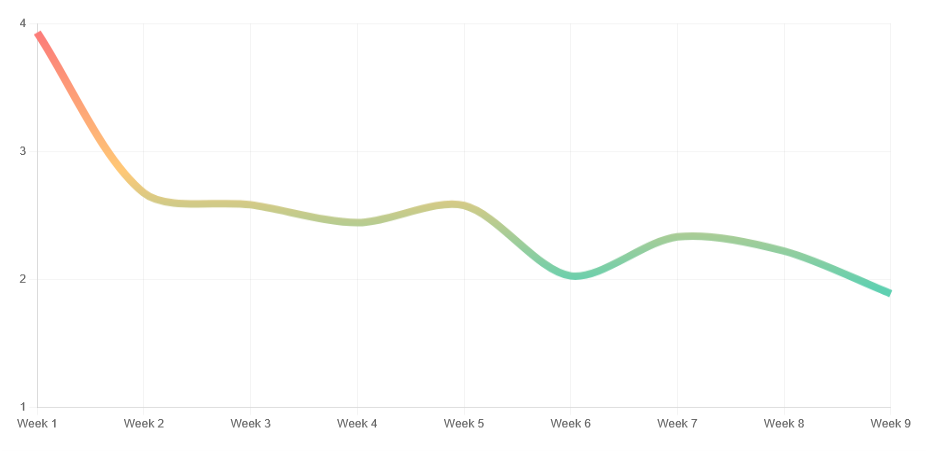
Phobias Affect 1 in 8 Children
Signs of separation anxiety in children
They may be dealing with treatable phobia. We are here to help.
Retraining the Brain
Read the science behind recovery
Anxiety is the brain's natural alarm process out of balance. When we avoid a trigger, the brain learns the threat is real, and will trigger more discomfort next time, creating a vicious loop called the avoidance cycle.
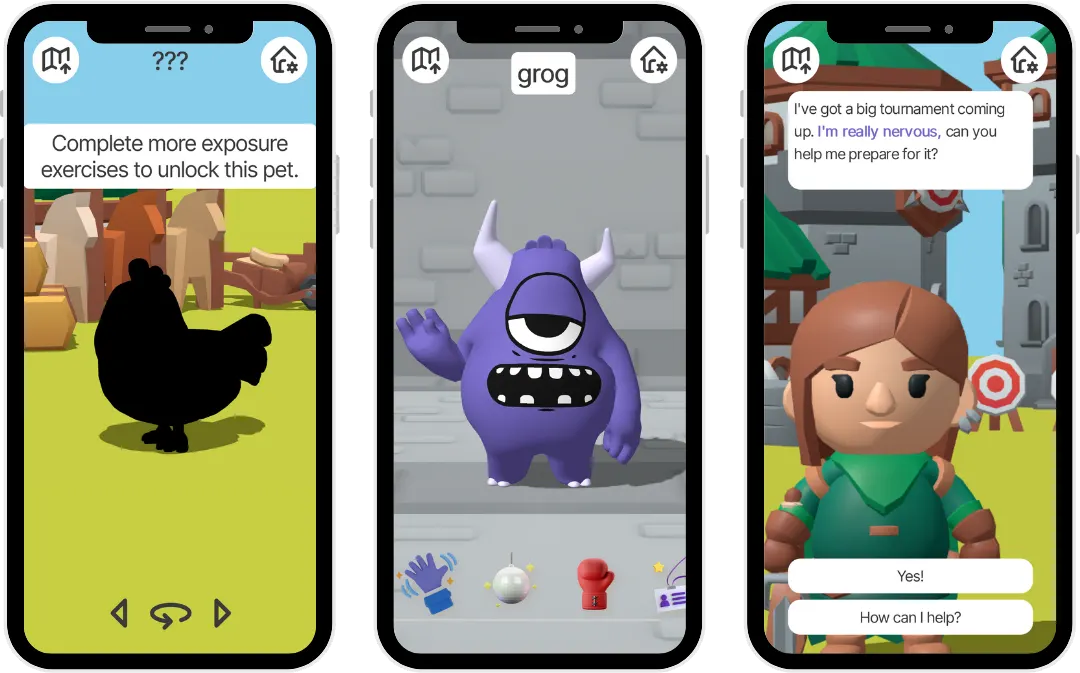
Bia uses ERP (Exposure & Response Prevention) to help the brain unlearn fear through small, incremental exercises. Instead of reacting to triggers, build skills with proactive practice.
Bia provides pre-built recovery plans made of 80+ interactive activities for you and your child to complete at your own pace.
How it works
Personalize
Start with our pre-built recovery plans and customize to your needs in a few clicks.
Practice
Your child plays story-driven quests that transforms triggers into opportunities to practice evidence-based skills.
Recover
Track progress with insights as your child builds the skill set to face fears in the real world.

Understanding separation anxiety in children
Separation anxiety is an intense fear of being apart from a parent or caregiver. Some worry is normal for young children, but when it lasts, it can turn school drop-offs, sleepovers and even bedtime into a daily struggle for the whole family.
Children with separation anxiety often worry that something bad will happen to them, or to you, while you are apart. Staying close brings relief in the moment, but it teaches the fear that being apart is dangerous.
Bia helps your child practice being apart in small, planned steps, starting with a few minutes and building up, while lessons for you show how to encourage bravery without adding pressure.
Evidence-Based Recovery
- Based on Cognitive Behavioral Therapy (CBT)
- Utilizes Exposure & Response Prevention (ERP)
- Designed with Experts and Lived Experience
“If you start, practice, and finish the program prescribed on this site you have an excellent chance of getting on the other side of this phobia.”
— Dr. David Russ, Clinical Psychologist
Real results with Bia
Most families see tolerated separation duration meaningfully increase within 3 to 6 weeks of consistent structured practice.
Hear from people we've helped with separation anxiety
“Bia changed my life. It gives you small steps to take every day and tracks your progress. I'm not done, but I already feel so much better and am doing so much more.”
“I can tell this was built by someone who had phobia. They get it. The app lets you customize and take a little placement quiz. You can pause or exit whenever and it's very careful and explains every step. Thank you for making this”
“If you start, practice, and finish the program prescribed on this site you have an excellent chance of getting on the other side of this phobia.”
Partners and Conferences
Bia is built in collaboration with leading academic researchers and found at national clinical conferences.


 ADAA 2026 Symposium Presentation
 NASP 2026 Miniskills Presentation
Get help with a specific fear
Frequently asked questions about separation anxiety
Is separation anxiety just a phase?
For many young children, some worry about being apart fades on its own. When it lasts for weeks, gets in the way of school or sleep, or seems to be growing, it is worth working on. Gentle, gradual practice is the approach research supports.
Should I stay until my child calms down at drop-off?
Long goodbyes usually make the worry stronger. A short, warm and predictable goodbye works better, even when it is hard. Bia's lessons walk you through building that routine step by step.
How long does it take?
Every child is different. Many families notice small changes within the first few weeks of regular practice, and the steps get bigger as your child's confidence grows.
What age group is Bia for?
Bia for Kids is designed for children aged 5 to 12, with a parent guiding the way. For ages 13 to 17, Bia for Teens gives your teen the standard layout while you keep the parent PIN.
Can I use Bia by myself?
Yes. Bia is designed to work as a self-guided tool. It provides a personalized recovery plan, interactive lessons, and step-by-step guided exercises for practicing evidence-based recovery techniques.
Can I use Bia with a therapist?
Yes. Bia provides a provider portal where therapists can monitor your progress, create custom exercises, and support your recovery journey.
How much time does it take?
Individual sessions are short. We recommend 10–15 minutes a day, 3 to 4 times a week. Bia builds a personalized step-by-step journey based on your unique needs, so completing the full journey is different for everyone. Typically, a journey includes over 55 exercises and 19 lessons across 9 milestones.
What do you do with my data?
Bia never shares your account data with third parties. You can view and delete your data at anytime. Good privacy is simple, you own your data.
Ready to help your child?
Choose your path to recovery