

Finally, Specialized Recovery for Emetophobia
A structured, evidence-based program to help you overcome emetophobia at your own pace


Are you a therapist?
Access the provider portal →
“Bia changed my life. It gives you small steps to take every day and tracks your progress. I'm not done, but I already feel so much better and am doing so much more.”
“I can tell this was built by someone who had phobia. They get it. The app lets you customize and take a little placement quiz. You can pause or exit whenever and it's very careful and explains every step. Thank you for making this”
“In short, this site is brilliant. The best help you will ever get apart from an in-person specialist, bar none.”
“I feel extremely optimistic using this app and have already changed the way I think and feel more confident in stressful situations as I know what to do . It's also great that your mental health professionals can connect to your account and also have tools provided to them to help them help us.”
“It starts with theory foundations and basic exposures and works you up an exposure hierarchy, helping you acclimate and build confidence.”
“I love how the exposures are slow and very incremental. It's felt like what I imagine exposure therapy with a therapist would be like! The check ins are helpful and they really help me keep an eye on my anxiety levels while working on the exposures. I also appreciate the reminders to slow down! I'm only on chapter 3 but I'm feeling very optimistic”
Real results with Bia
Measured with the APA Severity Measure for Specific Phobia across thousands of Bia users. See the data
Emetophobia is the specific fear of vomiting, your own or others. It feeds itself: anticipatory anxiety triggers nausea, the nausea confirms the fear, and avoidance (of food, travel, sick people) makes the fear bigger over time. Bia will teach you the science behind phobia and help you practice evidence-proven skills in incremental steps. Bia uses graduated exposure to stimuli (words, then images, then sensations), interoceptive exposure, and response prevention to break the avoidance and checking patterns that keep the phobia alive. You set the pace, you are in control of your recovery.
Common signs of emetophobia
- Anticipatory anxiety before meals or in public
- Hyper-awareness of stomach sensations
- Fear of food poisoning, pregnancy, or others being sick
- Avoidance of restaurants, travel, sick relatives, or specific foods
- Checking behaviors (looking up food, taking medication preemptively)
- Intrusive thoughts about vomiting
Not sure how much emetophobia affects you? Take the free 2-minute emetophobia quiz →
Our clinical approach: graduated exposure with response prevention
Two paths to recovery from Emetophobia

Self-Guided
Recovery at your own pace, anytime
- Step-by-step guided recovery for Emetophobia
- Evidence-based lessons & exercises
- Practice anytime on web, iOS & Android
- Track your anxiety and progress over time
- Adults & children versions
+
With a Therapist
Get matched with a therapist, or invite your own
- Everything in Self-Guided, plus:
- 1-on-1 therapy sessions with a licensed therapist
- We'll check your insurance coverage for you
- Link your Bia account to share your progress
- Your therapist may cover the cost of Bia
Everything you need to overcome Emetophobia
Self-Guided Recovery
Your complete program for Emetophobia
- Step-by-step exposure program for Emetophobia
- Evidence-based lessons & exercises
- Practice anytime on web, iOS & Android
- Track your anxiety and progress over time
- Adults & children versions
Already working with a therapist?
Bia works perfectly alongside your existing therapy. Use it between sessions to practise exposures and reinforce what you're learning.
Start your programAre you a therapist?
Assign Bia exercises to your patients, track their progress between sessions, and supplement your practice with our provider portal.
Access provider portal →A program designed for you
For Individuals with Emetophobia
A personalized, self-paced program to help you reclaim the life you deserve. Work through structured lessons, exercises, and activities at your own pace.
Start your programFor Parents Supporting a Teen
Bia for Teens gives your teen the standard program with mature content hidden, while you keep the parent PIN and can follow their progress.
Learn about Bia for teensFor Parents Supporting a Child
Bia's kids program uses age-appropriate exercises and engaging characters to help children face fears with parent lessons and support at every step.
Learn about Bia for kidsFor Clinicians Using Bia With Patients
Assign exposure, track patient progress, and access curated hierarchies for your clients through the provider portal.
View provider portalPartners and Conferences
Bia is built in collaboration with leading academic researchers and found at national clinical conferences.


 ADAA 2026 Symposium Presentation
 NASP 2026 Miniskills Presentation

This photo was my first time ever on a boat, something I had avoided for over 27 years. I loved it.
I Believe You Can Recover
Hello, my name is Willy, founder of Bia. I suffered from emetophobia for most of my life and know first hand the misery and loneliness it can cause. During my recovery I built a tool to track my progress and help me practice. Over four years this tool transformed into Bia, now used by people around the world. I'm happy to share I have recovered from phobia and I believe you can too.
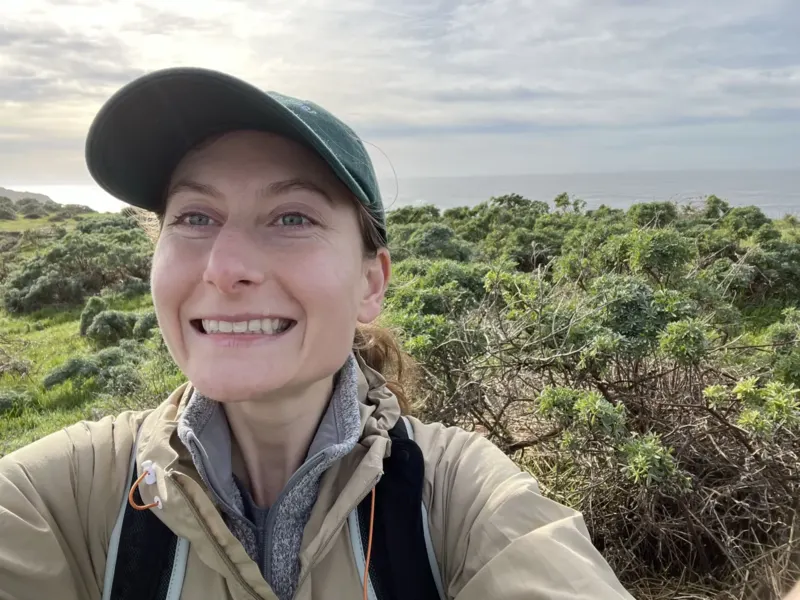
Enjoying my first trip to Hawaii, a place I always wanted to go but never thought I'd be able to get to.
From Bia User to Co-Founder
My name is Elizabeth, and I am Co-Founder of Bia. I came across an early version of Bia while working through my own phobia recovery and became one of its first users. I was already seeing a therapist, but once I added daily guided-exposure practice with Bia the impact on my recovery was immediate. I've since partnered with Willy to leverage my health-care background to build and expand Bia, and it's been incredibly meaningful to see the tool help others just as it helped me.
Frequently asked questions about emetophobia
Is it possible to overcome emetophobia?
Yes. Research shows, recovery from phobia is possible. You don't have to settle for life with phobia.
What does it mean to overcome a phobia?
Imagine a life where phobia does not influence your decisions. Where you can go where you want, eat what you want, and do what you want without anxiety, or fear.
Can I use Bia by myself?
Yes. Bia is designed to work as a self-guided tool. It provides a personalized recovery plan, interactive lessons, and step-by-step guided exercises for practicing evidence-based recovery techniques.
Can I use Bia with a therapist?
Yes. Bia works great alongside therapy. Your therapist can use our provider portal to personalize your recovery plan, assign custom exercises, and monitor your progress.
We can help you connect with a therapist near you. Get Connected
I am nervous to try it.
We built Bia to lower the barrier to the path of recovery. Bia never tricks, traps, or forces you in any way. The journey is built of small, incremental steps. You control the pace and order of your journey.
How long does it take?
Individual sessions on Bia are short and take 5 to 15 minutes. Bia builds a personalized step-by-step journey based on your unique needs, so completing the full journey is different for everyone. Typically, a journey includes over 55 exercises and 19 lessons across 9 milestones.
How much does it cost?
Bia is free to try. A subscription is required to unlock your full journey. If you are using Bia with a therapist, you may be eligible to receive Bia for free as part of your treatment. Ask your therapist today.
If you have an HSA/FSA plan, you can use it to purchase Bia by first receiving a letter of medical necessity from our partner, Flex. Use HSA/FSA
Will I have to vomit?
No. You do not have to vomit to overcome emetophobia. Bia does not ask you to do this. There are no tricks, traps, or surprises. You are in control each step of the way. With Bia, you will learn about anxiety and practice new skills in incremental steps.
I've had emetophobia for decades. Is recovery still possible?
Yes. Research shows that recovery is possible despite decades of living with phobia. The brain is incredibly good at re-wiring with evidence, which our guided exercises will help you build.
What if my fear is specific to myself, or to others? Will this work for my specific fear?
It is very common to feel that your fear is special and treatment wont work. You will find that anxiety is less about the specific fear and more about the choices we make in response to this fear. This puts us in control of our recovery and also means we can use the same skills and techniques regardless of what specific thing we are afraid of. That said, Bia uses specially built lessons and exercises for each condition to help you build skills specific to your needs.
Can I do this if I'm pregnant or have morning sickness?
Yes. Bia includes modules specificity designed for parents and expecting parents.
Ready to start?
Choose your path to recovery
+