EmetophobiaWhat Bia gives you
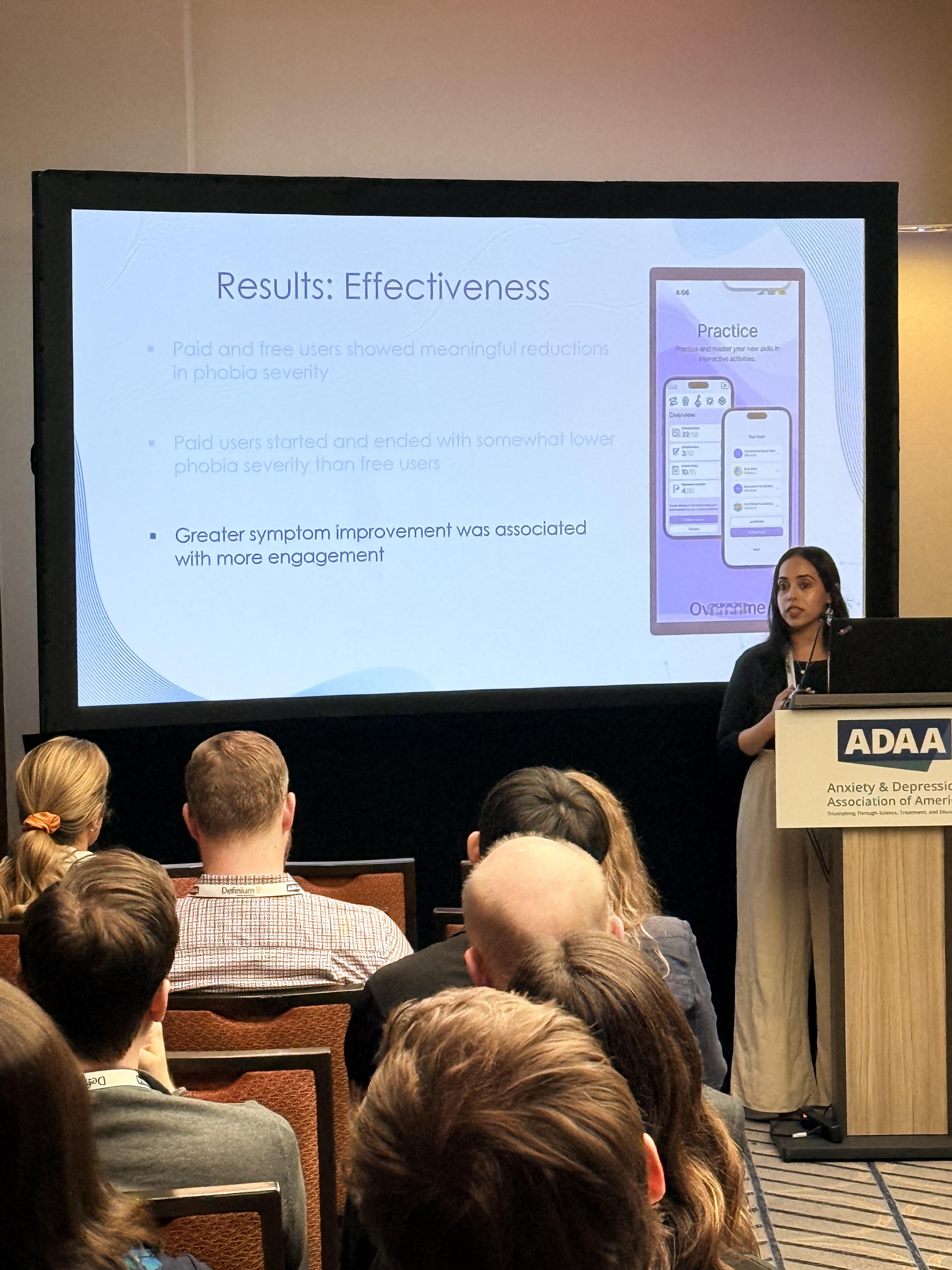
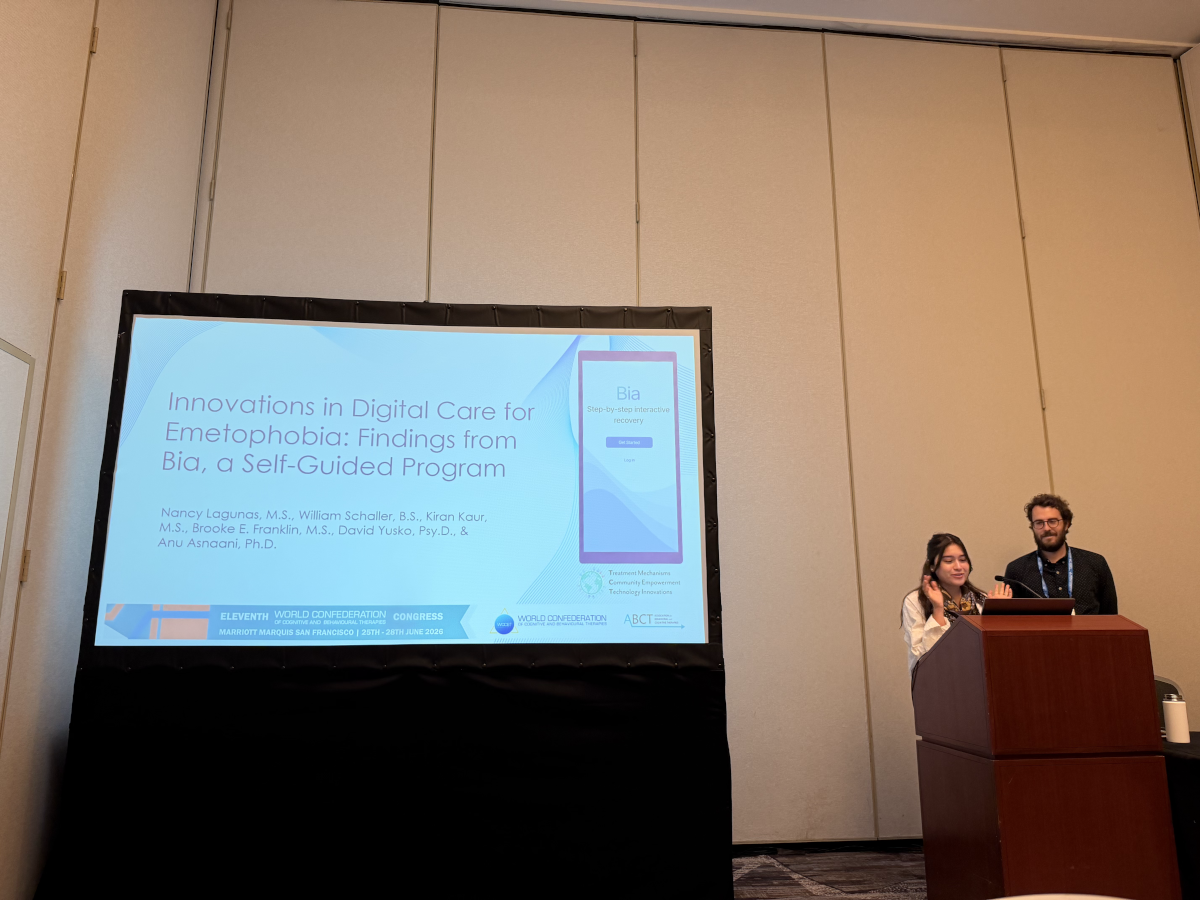
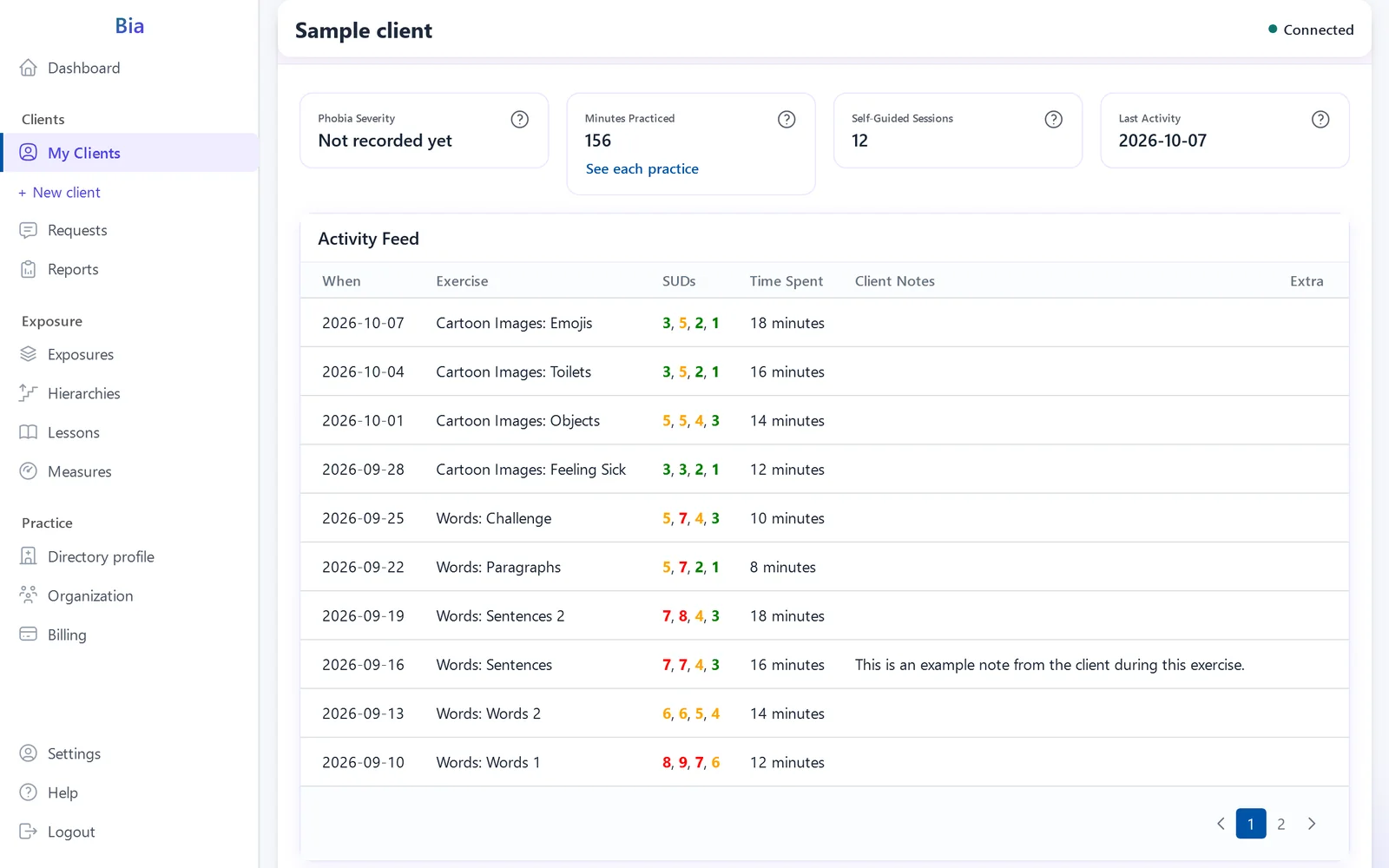
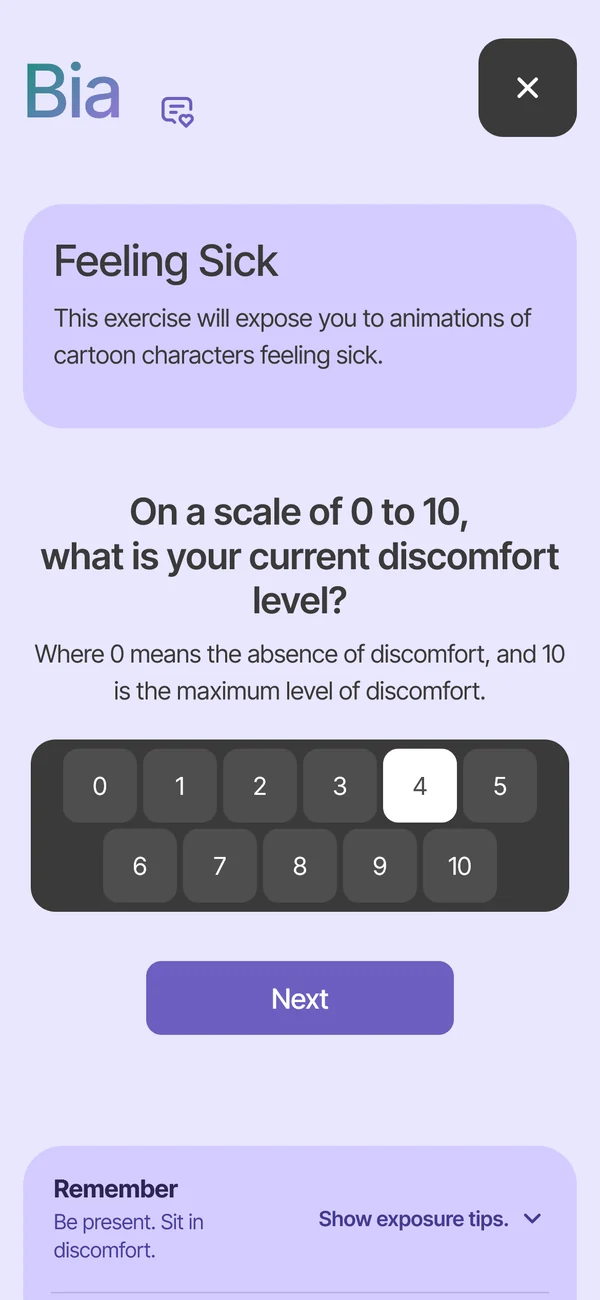
Para la emetofobia, Bia ofrece una jerarquía de exposición gradual relacionada con el vómito (palabras, luego imágenes, luego inducción de náuseas interoceptivas) que puedes asignar, supervisar y adaptar entre sesiones. El seguimiento integrado de la prevención de respuesta te permite ver qué comportamientos de evitación y comprobación está abandonando el cliente. El SMSP-A se registra semanalmente para que puedas mostrar un cambio medible en la gravedad en cada sesión.
AgoraphobiaWhat Bia gives you
Para la agorafobia, Bia crea el plan de exposición in vivo de círculos expansivos partiendo de la zona de seguridad actual del cliente, con una reducción del comportamiento de seguridad integrada en cada paso. Ves la escalera, ajustas la dificultad de los pasos entre sesiones y el cliente registra su angustia antes, durante y después de cada exposición. Continuidad de la atención sin necesidad de acudir a la clínica cada semana.
PanicWhat Bia gives you
Para el trastorno de pánico, Bia estructura la escalera de exposición interoceptiva (girar, contener la respiración, hiperventilación breve) en sesiones asignables diariamente. La frecuencia y la gravedad de los ataques se registran por separado para que puedas ver cómo la gravedad disminuye antes de que lo haga la frecuencia, el patrón clínico típico. Combina Bia con tus revisiones entre sesiones para mantener la dosis de exposición según lo previsto.
Social anxietyWhat Bia gives you
Para la ansiedad social, Bia estructura experimentos conductuales y exposiciones sociales graduales con seguimiento de comportamientos de seguridad (ensayo, contacto visual, frases preparadas) para que su abandono sea visible y medible. El trabajo de rumiación posterior al evento y los ejercicios de reestructuración cognitiva se pueden asignar entre sesiones. El cliente llega a la sesión con datos, no solo con una narración.
Contamination OCDWhat Bia gives you
Para el TOC de contaminación, Bia estructura la jerarquía de la ERP con ventanas explícitas de prevención de respuesta, registro de la frecuencia de los rituales y seguimiento de los rituales mentales. La carga de la disciplina clínica que exige la ERP se descarga en la app entre sesiones; tú centras la sesión en la conceptualización del caso y el trabajo con la resistencia. Las medidas de tipo SMSP-A y Y-BOCS se recogen de forma longitudinal.
School refusalWhat Bia gives you
El rechazo escolar suele ser consecuencia de la ansiedad. Bia te ayuda a identificar la causa de fondo de esa ansiedad y crea un plan para abordarla en pasos graduales. Esto incluye cuestiones como el rendimiento académico (notas, exámenes, presentaciones), la ansiedad social, el miedo a la enfermedad, la ansiedad por separación y más.
Separation anxietyWhat Bia gives you
Para la ansiedad por separación, Bia te ayuda a crear un plan paso a paso para que el niño gane confianza. A veces puede ser difícil, y no es fácil saber dónde está la línea entre lo que ayuda y lo que perjudica. Bia te guía en ese equilibrio con actividades y herramientas personalizadas.
Fear of flyingWhat Bia gives you
Para el miedo a volar, Bia estructura todo el recorrido del viaje en avión en pasos asignables: facturación, control de seguridad, embarque, cabina, turbulencias. La exposición interoceptiva a las sensaciones de movimiento y activación se trabaja junto con la exposición imaginaria e in vivo. El registro del malestar antes, durante y después de cada paso te da datos claros para la próxima conversación de planificación de exposiciones.
Fear of drivingWhat Bia gives you
Para superar el miedo a conducir, Bia estructura todo el proceso de conducción en pasos que se pueden asignar: calles conocidas, tráfico, autopistas, puentes, condiciones meteorológicas y conducir solo. Los recorridos reales se planifican y se registran en el mapa de exposición, para que puedas ver qué rutas ha recuperado un cliente entre sesiones.
Specific phobiasWhat Bia gives you
Para fobias específicas fuera de nuestros programas estándar, Bia se adapta al desencadenante que tú y tu cliente definís juntos. Tú construyes la jerarquía, asignas los pasos, sigues el malestar y ajustas entre sesiones. El mismo algoritmo de exposición guiada de nuestros programas de emetofobia y pánico apoya cualquier fobia específica con el mismo nivel de estructura.












 Dr. David Russ
 Dr. Laura Berssenbrugge
 Jaime Roche
 Jacob Reiter
 Kaitlyn Peters
 Nancy Lagunas
 Ira Hays