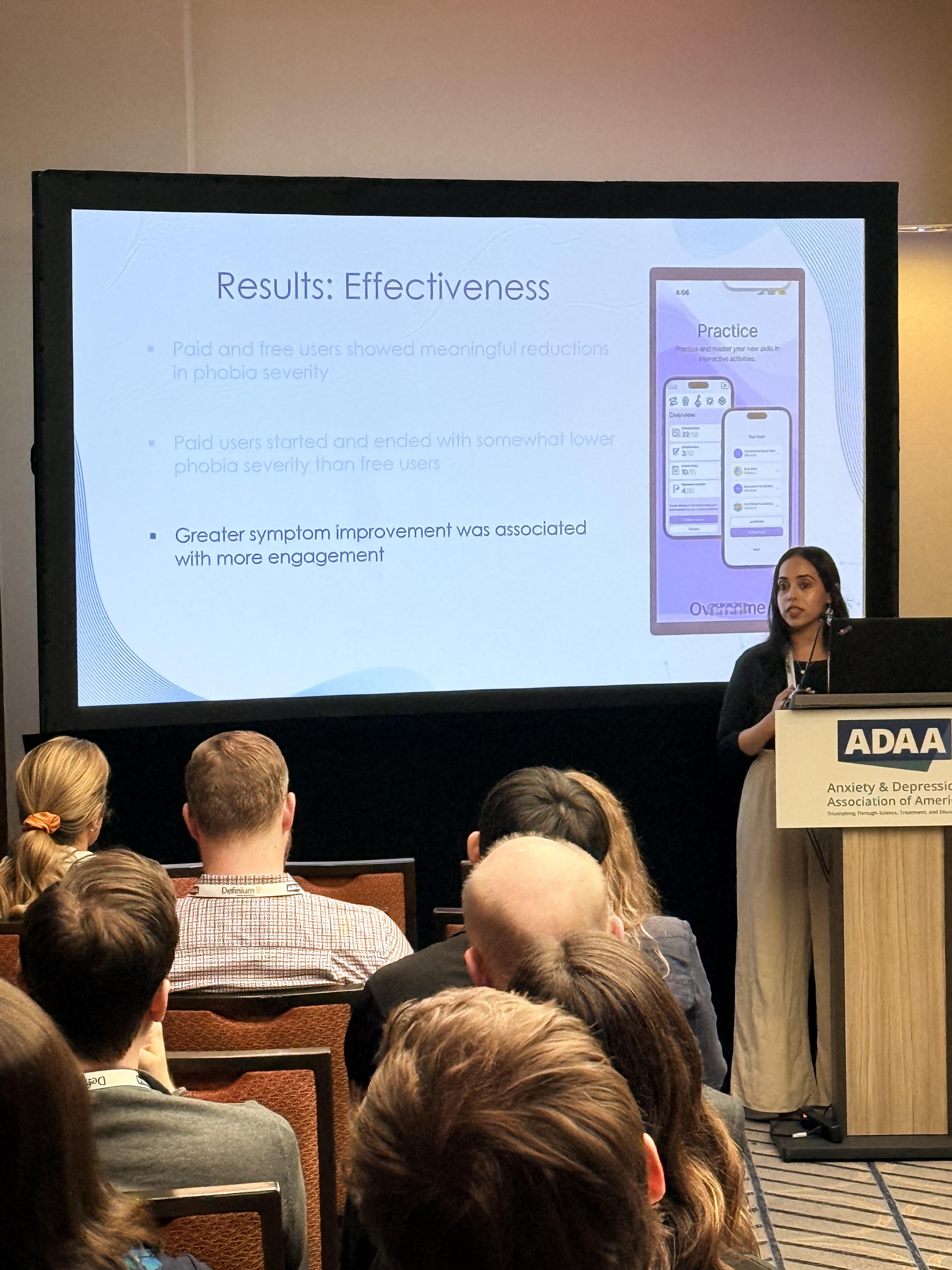
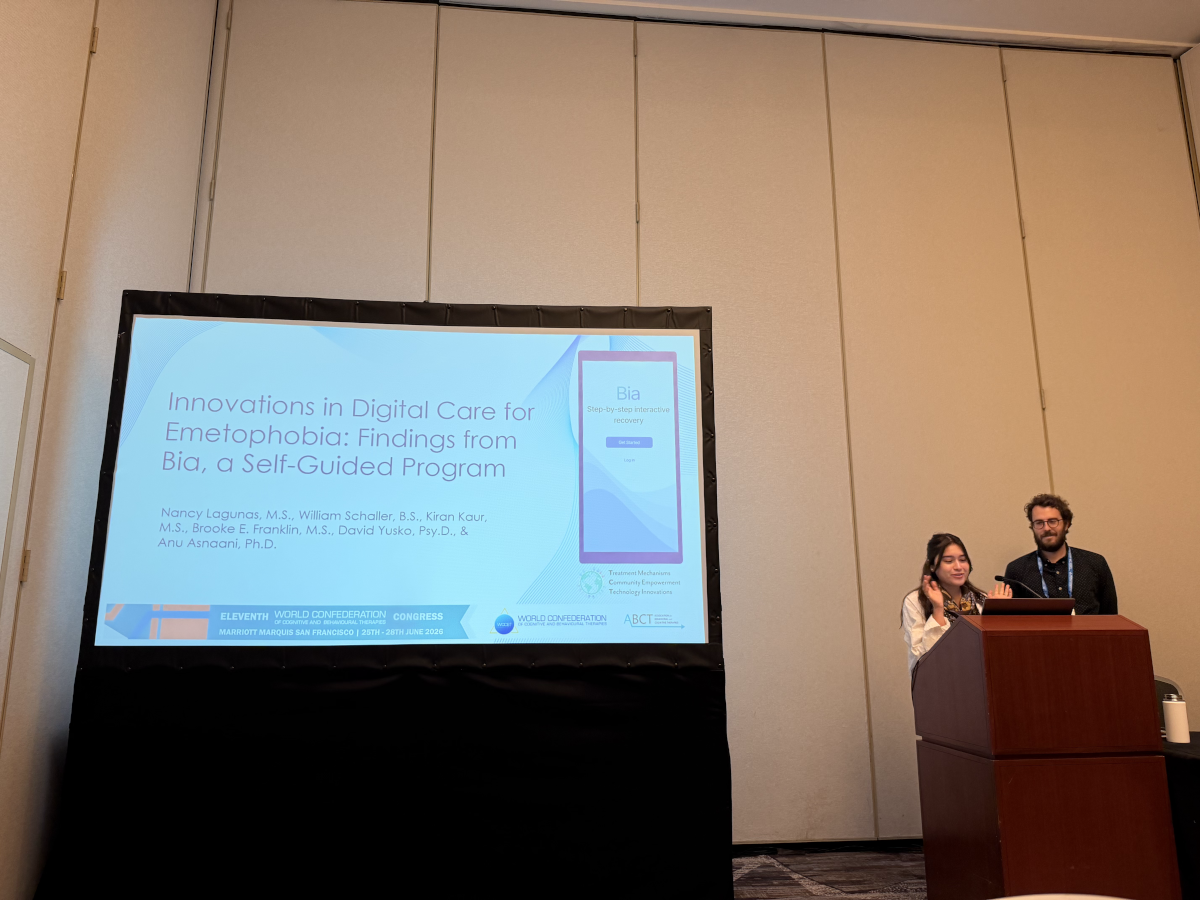
Per l'emetofobia, Bia fornisce una gerarchia graduale di esposizione al vomito (parole, poi immagini, poi induzione di nausea interocettiva) che puoi assegnare, monitorare e adattare tra una sessione e l'altra. Il monitoraggio integrato della prevenzione della risposta ti offre visibilità su quali comportamenti di evitamento e di controllo il cliente sta abbandonando. L'SMSP-A viene registrato settimanalmente, così puoi mostrare un cambiamento misurabile della gravità ad ogni sessione.
Per l'agorafobia, Bia costruisce il piano di esposizione in vivo a cerchi espandenti partendo dalla zona di sicurezza attuale del cliente, con una riduzione del comportamento di sicurezza integrata in ogni fase. Vedi la scala, regoli la difficoltà dei passi tra una sessione e l'altra, e il cliente registra il disagio prima, durante e dopo ogni esposizione. Continuità di cura senza dover andare in clinica ogni settimana.
Per il disturbo di panico, Bia struttura la scala di esposizione interocettiva (giro su se stessi, trattenere il respiro, breve iperventilazione) in sessioni assegnabili quotidianamente. La frequenza e la gravità degli attacchi vengono monitorate separatamente, così puoi vedere la gravità diminuire prima che la frequenza segua, il tipico andamento clinico. Abbina Bia ai tuoi controlli tra una sessione e l'altra per mantenere il dosaggio dell'esposizione in linea con l'obiettivo.
Per l'ansia sociale, Bia struttura esperimenti comportamentali ed esposizioni sociali graduali con monitoraggio dei comportamenti di sicurezza (prova, contatto visivo, frasi prestabilite) in modo che il loro abbandono diventi visibile e misurabile. Il lavoro di ruminazione post-evento e gli esercizi di ristrutturazione cognitiva sono assegnabili tra una sessione e l'altra. Il cliente arriva alla sessione con dei dati, non solo con un racconto.
Per il DOC da contaminazione, Bia struttura la gerarchia ERP con finestre esplicite di prevenzione della risposta, registrazione della frequenza dei rituali e monitoraggio dei rituali mentali. Il carico clinico-disciplinare richiesto dall'ERP viene scaricato sull'app tra una sessione e l'altra; tu concentri la sessione sulla concettualizzazione del caso e sul lavoro sulla resistenza. Le misure in stile SMSP-A e Y-BOCS vengono registrate longitudinalmente.
Per il rifiuto scolastico, Bia coordina il genitore, il bambino e te attorno a un piano graduale di ritorno a scuola. Tra una sessione e l'altra è possibile assegnare script di coaching genitoriale per la negoziazione della domenica sera, il supporto all'accompagnamento mattutino e la costruzione di giornate parziali. L'ansia di fondo (da separazione, sociale o specifica) viene identificata fin dall'inizio, in modo che il programma miri alla causa reale.
Per l'ansia da esame e da prestazione, Bia costruisce una scala graduale di valutazione ed esposizione (test di prova a tempo, presentazioni di prova) insieme a un lavoro cognitivo sul perfezionismo e sul catastrofismo. I dati relativi al disagio pre e post valutazione vengono raccolti automaticamente, così puoi indirizzare il lavoro cognitivo verso la specifica convinzione che sta guidando l'evitamento.
Per l'ansia da separazione, Bia guida il caregiver attraverso lo script controintuitivo (addii brevi, calmi e prevedibili) e struttura la scala di separazione graduale. L'aderenza del caregiver, le traiettorie di disagio del bambino e la durata della separazione tollerata vengono monitorate tra una sessione e l'altra. Dedichi il tempo della sessione alla concettualizzazione e al lavoro genitoriale, non alla logistica.
Per la paura di volare, Bia offre il programma in tre parti (educazione alla sicurezza in volo, esposizione interocettiva alle sensazioni di movimento, esposizioni graduali in aeroporto e a bordo dell'aereo) con un calendario accelerato legato alla data effettiva del volo del cliente. La registrazione del disagio pre-volo, in volo e post-volo ti fornisce dati chiari per la prossima conversazione sulla pianificazione dell'esposizione.
Per le fobie specifiche che non rientrano nei nostri programmi standard, il motore di esposizione Bia si adatta al trigger che tu e il cliente definite insieme. Sei tu a costruire la gerarchia, assegnare i passaggi, monitorare il disagio e apportare modifiche tra una sessione e l'altra. Lo stesso motore clinico che alimenta i nostri programmi per l'emetofobia e il panico gestisce qualsiasi fobia specifica con lo stesso livello di struttura.